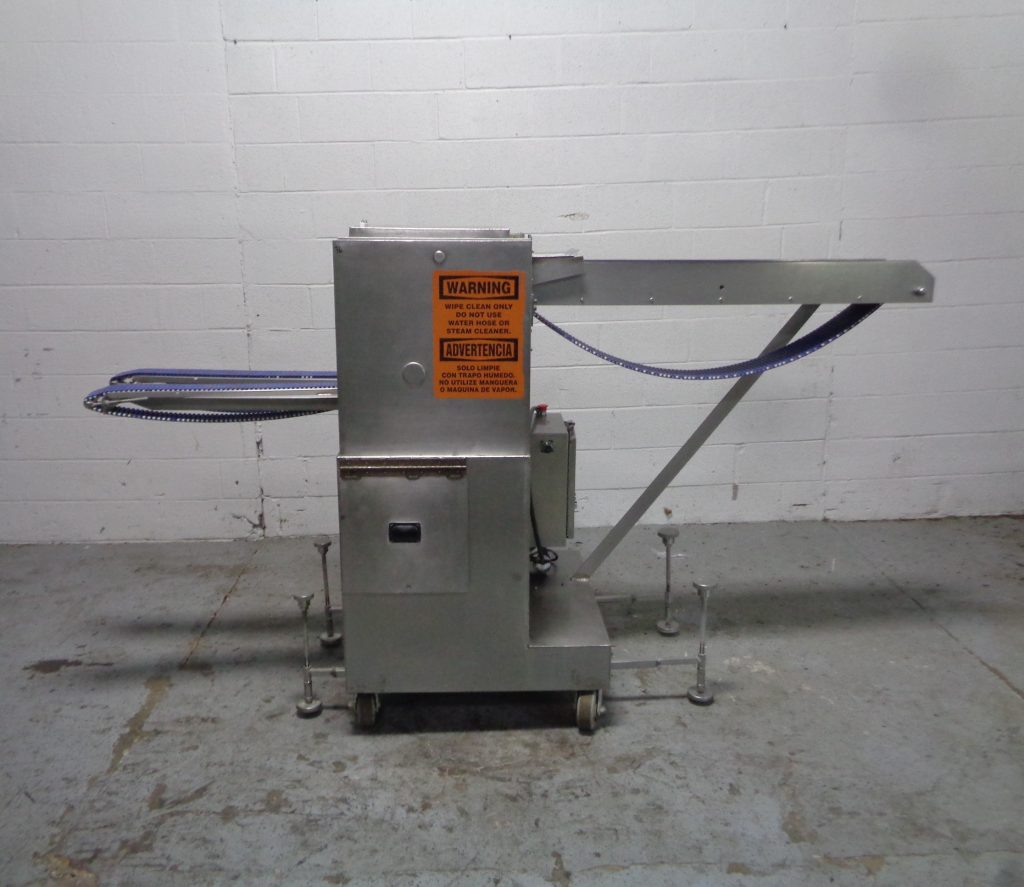
A Bakery Production line is a structured and often automated system designed to produce baked goods at scale with consistency, speed, and efficiency. It integrates multiple stages of baking, from mixing ingredients to final packaging, into a continuous workflow. This setup is widely used in commercial bakeries, food factories, and large-scale bakery operations where demand exceeds manual production capacity.
As consumer demand for baked products grows, businesses are shifting toward automated bakery systems and high-capacity baking equipment to remain competitive. Understanding when to invest in a bakery production line is essential for improving productivity, maintaining quality standards, and reducing operational costs.
What Is a Bakery Production Line?
A bakery production line refers to a series of interconnected machines and processes that automate the production of baked goods. Instead of relying on manual labor for each step, the production line ensures a continuous and standardized workflow.
Typical stages include mixing, dough preparation, shaping, proofing, baking, cooling, and packaging. Each stage is handled by specialized equipment designed for efficiency and precision.
In modern food manufacturing lines, these systems are designed to handle large volumes while maintaining consistent texture, taste, and appearance across all products, including products made using bagel equipment for uniform shaping and baking.
You can explore more about industrial baking solutions on your website’s dedicated section for bakery systems:
Key Components of an Industrial Bakery Setup
An industrial bakery setup includes multiple machines working together to streamline production. Each component plays a crucial role in ensuring efficiency and product quality.
The process usually begins with industrial mixers that handle large batches of dough. After mixing, the dough is transferred to dividing and rounding machines that ensure uniform size and weight. This is followed by proofing systems that control fermentation conditions such as temperature and humidity.
Next comes the baking stage, where tunnel ovens or rotary ovens are used for consistent heat distribution. Finally, cooling conveyors and packaging systems prepare the baked goods for distribution.
Modern setups often integrate automated bakery systems that reduce manual intervention and improve production speed.
How Automated Bakery Systems Improve Efficiency
Automated bakery systems are designed to reduce human dependency while increasing output and consistency. These systems use sensors, programmable controls, and synchronized machinery to ensure smooth workflow across all stages.
One major advantage is consistency. Every product is made under controlled conditions, reducing variations in size, texture, and quality. Another advantage is speed, as automation significantly reduces production time compared to manual methods.
Labor costs are also reduced since fewer workers are needed for repetitive tasks. Additionally, automation improves hygiene standards, as human contact with food products is minimized.
For businesses aiming to scale, automation becomes a key factor in long-term growth and sustainability.
High-Capacity Baking Equipment and Its Role
High-capacity baking equipment is essential for businesses that need to produce large volumes of baked goods daily. This includes industrial ovens, high-speed mixers, dough dividers, and automated packaging machines.
These machines are designed for durability and continuous operation. They can run for long hours without compromising quality, making them ideal for commercial bakeries and food manufacturers.
Another advantage is energy efficiency. Modern equipment is built to optimize power usage while maintaining high output levels. This helps reduce operational costs over time.
When integrated into a complete bakery production line, high-capacity equipment ensures smooth production flow without bottlenecks.
Benefits of a Bakery Production Line
A bakery production line offers several advantages for businesses looking to scale operations.
One of the primary benefits is increased production capacity. Businesses can produce thousands of units per hour depending on system configuration. This makes it easier to meet large orders and retail demand.
Consistency is another major benefit. Automated systems ensure every product meets the same quality standards, which is essential for brand reputation.
Operational efficiency also improves significantly. With reduced manual intervention, processes become faster and more reliable. Waste reduction is another advantage, as precise measurements and controlled processes minimize errors.
Finally, scalability becomes easier. Businesses can expand production simply by upgrading or adding new modules to their existing setup.
When Do You Need a Bakery Production Line?
Not every bakery requires a full production line from the beginning. However, certain conditions indicate that upgrading is necessary.
If your business is struggling to meet increasing demand, it may be time to consider automation. Frequent delays in order fulfillment or inconsistent product quality are also signs that manual production is no longer sufficient.
Another indicator is rising labor costs. When too many employees are required to maintain output, automation can significantly reduce expenses.
Businesses entering large retail contracts or supplying supermarkets often need industrial bakery setups and baking pans to maintain consistency and volume.
Finally, if you plan to scale your operations nationally or internationally, a bakery production line becomes essential for sustainable growth.
You can learn more about scaling bakery operations through our internal resource page:
Types of Food Manufacturing Lines in Bakeries
Different bakeries use different types of food manufacturing lines depending on product type.
Bread production lines focus on mixing, proofing, and baking loaves in large tunnel ovens. Pastry lines include lamination systems and precision cutting tools for layered products. Biscuit and cookie lines emphasize shaping and high-speed baking.
Each system is customized based on production goals and product variety. Choosing the right configuration is essential for maximizing efficiency and maintaining product quality.
Challenges in Setting Up a Bakery Production Line
While the benefits are significant, setting up a bakery production line comes with challenges. Initial investment costs can be high, especially for fully automated systems.
Space requirements are also important, as industrial setups need sufficient room for machinery and workflow movement. Maintenance and technical expertise are necessary to ensure smooth operation.
However, these challenges are often outweighed by long-term gains in efficiency, productivity, and profitability.
Future of Automated Bakery Systems
The future of bakery production is moving toward fully integrated and intelligent systems. Smart sensors, AI-based monitoring, and IoT-enabled machines are becoming more common in modern food manufacturing lines.
These technologies allow real-time tracking of production, predictive maintenance, and improved quality control. As demand for high-quality baked goods continues to grow, automation will play an even larger role in the industry.
Businesses that adopt these technologies early are likely to gain a competitive advantage in efficiency and scalability.
Conclusion
A bakery production line is no longer just an option for large manufacturers. It is becoming a necessity for businesses aiming to scale, improve efficiency, and maintain consistent product quality.
From automated bakery systems to high-capacity baking equipment, every component plays a vital role in modern bakery operations. Understanding when to invest in such systems can significantly impact long-term success. If you are planning to upgrade your setup, feel free to contact us for expert guidance and solutions.
For businesses looking to upgrade or explore industrial bakery solutions, structured planning and the right equipment selection are key to building a successful production system.
FAQs
1. What is a bakery production line used for?
A bakery production line is used to automate and streamline large-scale bakery operations, ensuring consistent and efficient production of baked goods.
2. What are automated bakery systems?
Automated bakery systems are machines and technologies that handle baking processes with minimal human intervention, improving speed and consistency.
3. Is a bakery production line suitable for small businesses?
It is usually more suitable for medium to large businesses due to high initial investment and space requirements, but modular systems can support scaling.
4. What equipment is included in an industrial bakery setup?
It typically includes mixers, dividers, ovens, proofers, cooling conveyors, and packaging machines.
5. Why is high-capacity baking equipment important?
It allows businesses to produce large volumes efficiently while maintaining consistent quality and reducing production time.