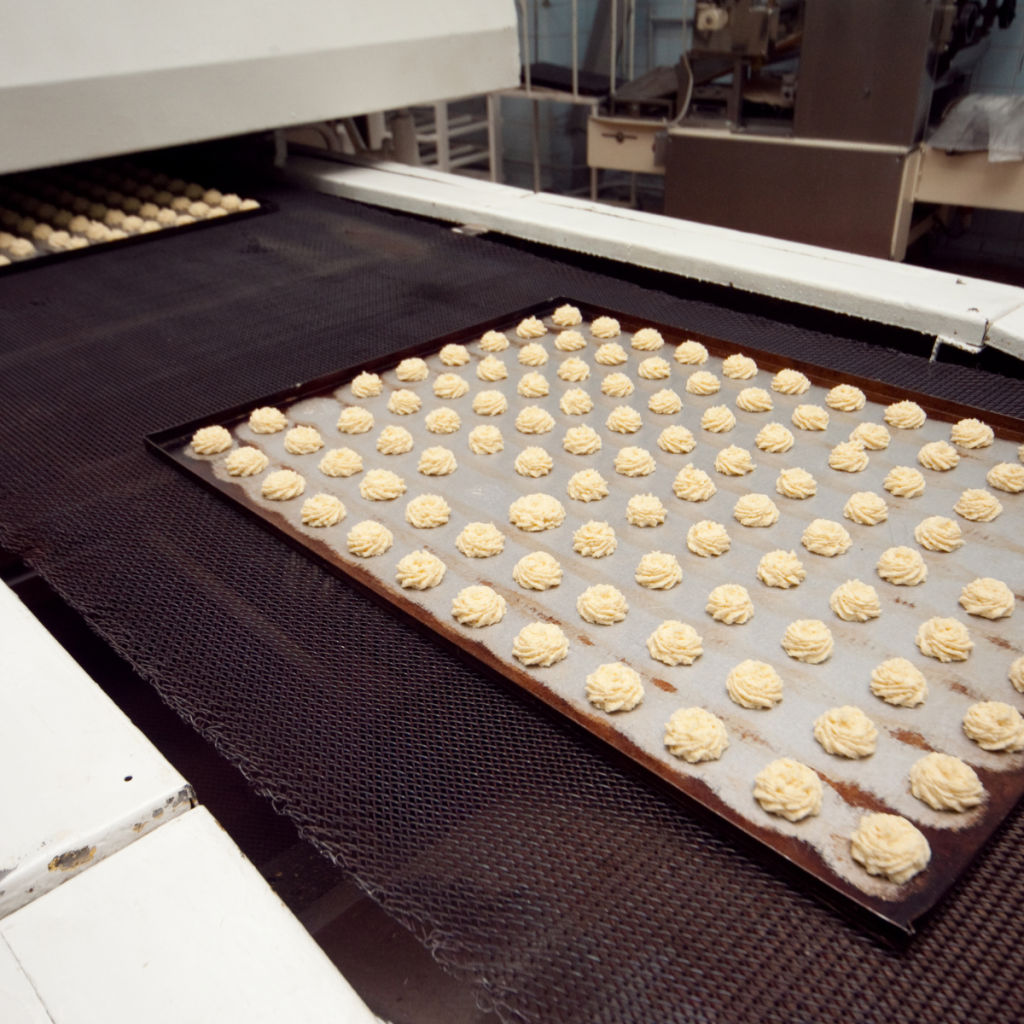
Selecting the right dough processing equipment and bakery equipment is a critical decision for any commercial bakery. From consistency and output to labor efficiency and product quality, the equipment you choose directly affects your operations and profitability. This guide provides a clear, structured overview of mixers, sheeters, and dividers to help you make informed purchasing decisions aligned with your production goals.
Understanding Dough Processing Equipment
Dough processing equipment refers to machines designed to automate and standardize the preparation, shaping, and portioning of dough. In a commercial setting, these machines are essential for maintaining uniformity, increasing output, and reducing manual labor.
The three core categories include mixers, sheeters, and dividers. Each serves a specific role in the production chain. When selected correctly, they work together to create a seamless workflow that improves efficiency and product consistency.
Dough Mixers: The Foundation of Consistency
Mixing is the first and most important stage of dough preparation. The quality of mixing determines gluten development, dough texture, and final product structure.
Spiral Mixers
Spiral mixers are widely used in commercial bakeries due to their ability to handle large batches of dough while maintaining consistent results. These mixers use a spiral-shaped hook that rotates while the bowl spins, ensuring gentle and even mixing.
They are particularly suitable for bread and pizza dough where proper gluten development is essential. Spiral mixers generate less heat during operation, which helps preserve dough integrity. For bakeries focused on high-volume bread production, this type of mixer is often the preferred choice.
Planetary Mixers
Planetary mixers offer greater versatility. The mixing attachment rotates on its axis while orbiting the bowl, similar to planetary motion. This allows the machine to handle a wide range of products beyond dough, including batters, creams, and fillings.
For bakeries producing diverse items such as cakes, pastries, and cookies, planetary mixers provide flexibility. However, they may not match the efficiency of spiral mixers when handling heavy dough in large quantities.
Key Considerations for Mixers
When choosing between spiral mixers and planetary mixers, consider production volume, product type, and required consistency. Bowl capacity, motor power, and speed settings are also important factors. A bakery focused on artisan bread will benefit from a spiral mixer, while a bakery with a varied menu may require a planetary mixer for versatility.
Dough Sheeters: Precision in Shaping
Dough sheeters are designed to flatten dough into uniform thickness. This is essential for products like croissants, puff pastry, and flatbreads where consistency directly impacts quality.
A sheeter eliminates the need for manual rolling, which can lead to uneven thickness and inconsistent baking results. By automating this process, bakeries can achieve precise control over dough thickness and improve product uniformity.
Types of Dough Sheeters
Manual sheeters are suitable for small-scale operations or bakeries with limited space. They require operator involvement but offer cost efficiency.
Semi-automatic and automatic sheeters are ideal for medium to large-scale production. These machines provide consistent output with minimal operator effort. Advanced models may include programmable settings for different dough types and thickness levels.
Benefits of Using Dough Sheeters
Using dough sheeters improves efficiency by reducing preparation time. It also enhances product quality by ensuring even layers and consistent baking. For laminated dough products, such as croissants, precise sheeting is essential to achieve the desired flakiness and structure.
Dough Dividers: Accuracy and Speed
Dough dividers are used to portion dough into equal weights. This ensures uniform product size, consistent baking, and accurate pricing.
Manual dividing can be time-consuming and prone to errors. Dough dividers automate this process, allowing bakeries to maintain consistency across batches while increasing production speed.
Types of Dough Dividers
Volumetric dividers measure dough based on volume, making them suitable for softer dough types. They are commonly used in high-speed production environments.
Weight-based dividers offer greater precision by portioning dough according to exact weight. These are preferred when consistency is critical, especially for premium bakery products.
Dough Rounders
Dough rounders are often used alongside dividers. After portioning, the dough pieces are rounded into smooth balls, which improves structure and prepares them for further processing or proofing.
Integrating dough rounders into your workflow can enhance efficiency and reduce manual handling.
Integration of Dough Processing Equipment
For commercial bakeries, the real value lies in how well different machines work together. A well-integrated system ensures smooth transitions from mixing to shaping and portioning.
For example, a spiral mixer can feed dough directly into a divider, which then passes portions to a rounder. The rounded dough can be processed through a sheeter if required. This streamlined workflow reduces downtime and maximizes output.
Automation also minimizes human error and ensures consistent quality across large production volumes.
Factors to Consider Before Buying
Choosing the right dough processing equipment requires careful evaluation of several factors.
Production Volume
The scale of your operation determines the type and capacity of equipment needed. High-volume bakeries require machines that can handle continuous production without compromising performance.
Product Range
The variety of products you offer influences equipment selection. Bakeries specializing in bread may prioritize spiral mixers and dividers, while those producing pastries may invest more in sheeters.
Space and Layout
Available space in your facility is a practical consideration. Large machines require proper placement to ensure efficient workflow. Compact designs may be necessary for smaller bakeries.
Ease of Operation
User-friendly controls and intuitive interfaces can reduce training time and improve productivity. Machines with programmable settings offer additional convenience.
Maintenance and Durability
Reliable equipment with minimal maintenance requirements is essential for long-term efficiency. Look for machines built with durable materials and supported by strong service networks.
Energy Efficiency
Energy consumption affects operational costs. Modern machines are designed to be more energy-efficient, helping bakeries reduce expenses over time.
Advantages of Investing in Quality Equipment
High-quality dough processing equipment provides several long-term benefits.
Consistency is one of the most significant advantages. Uniform mixing, shaping, and portioning ensure that every product meets the same standard.
Efficiency is another key benefit. Automation reduces manual labor and speeds up production, allowing bakeries to meet higher demand.
Improved hygiene is also important. Automated systems reduce direct handling of dough, which helps maintain cleanliness and food safety standards.
Finally, scalability becomes easier with the right equipment. As your bakery grows, efficient machines allow you to increase production without major operational changes.
Common Mistakes to Avoid
Many bakeries make the mistake of choosing equipment based solely on price. While budget is important, low-cost machines may lack durability and efficiency.
Another common issue is underestimating production needs. Investing in equipment with limited capacity can lead to bottlenecks as demand increases.
Ignoring compatibility between machines can also disrupt workflow. Equipment should be selected with integration in mind to ensure smooth operations.
Future Trends in Dough Processing Equipment
The bakery industry is evolving with advancements in technology. Modern dough processing equipment is becoming more automated and connected.
Smart machines with digital controls and data tracking are gaining popularity. These features allow bakeries to monitor performance, optimize processes, and maintain consistent quality.
Energy-efficient designs and sustainable materials are also becoming more common. As sustainability becomes a priority, bakeries are adopting equipment that reduces environmental impact.
Conclusion
Investing in the right dough processing equipment is essential for commercial bakeries aiming to improve efficiency, consistency, and product quality. Spiral mixers and planetary mixers handle the critical mixing stage, while dough sheeters ensure precision in shaping. Dough dividers and dough rounders streamline portioning and preparation. For expert guidance and tailored solutions, feel free to contact us to discuss your specific bakery equipment needs.
A thoughtful approach to equipment selection, based on production needs and long-term goals, can significantly enhance bakery operations. By focusing on quality, compatibility, and efficiency, bakeries can build a reliable system that supports growth and delivers consistent results.