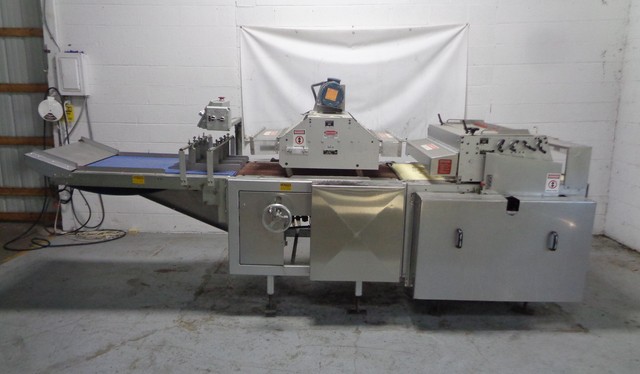
Automated dough processing is becoming a key investment for modern bakeries aiming to reduce operational costs while improving consistency and output. As demand for baked goods continues to rise in retail, hospitality, and food service sectors, bakeries are under pressure to produce higher volumes with fewer manual resources. This is where automation transforms traditional bakery operations into efficient, scalable production systems.
The use of automated dough processing systems and advanced bakery equipment allows bakeries to streamline repetitive tasks such as mixing, dividing, rounding, and shaping dough. By reducing dependency on manual labor, businesses can significantly lower staffing costs while maintaining product quality and consistency.
Understanding Automated Dough Processing
Automated dough processing refers to the use of machinery and integrated systems that handle various stages of dough preparation and handling with minimal human intervention. These systems often include industrial mixers, dough dividers, dough rounders, sheeters, and proofing systems that work together as part of a continuous production line.
Instead of relying on multiple workers to perform time-consuming manual tasks, a bakery automation setup enables a streamlined workflow where dough moves through each stage efficiently. This not only reduces labor requirements but also minimizes human error, leading to more consistent results.
How Labor Costs Are Reduced Through Automation
Labor is one of the highest recurring costs in bakery operations. Automated systems help reduce this burden in several practical ways.
One of the most significant savings comes from reducing the number of staff required for dough preparation. Tasks such as kneading large batches of dough manually require multiple workers and considerable time. With automated dough processing, a single operator can manage machines that perform the same task at a faster and more consistent rate.
Additionally, labor-saving bakery machines reduce the need for highly skilled labor in repetitive production tasks. Instead, skilled staff can be reassigned to quality control, product innovation, packaging operations, and handling tools such as commercial cake pans, which adds more value to the business.
Over time, reduced overtime costs and lower training requirements further contribute to overall savings.
Improved Efficiency in Production Line Bakery Systems
A production line bakery setup integrates different stages of dough processing into a continuous flow. This eliminates delays between stages and reduces idle time, which is common in manual operations.
In traditional bakeries, dough preparation often involves multiple stopping points where workers manually transfer, check, and adjust the dough. Automated systems eliminate these interruptions by creating a synchronized process where dough moves seamlessly from mixing to shaping.
This improved workflow means that bakeries can produce larger quantities in less time, effectively increasing output without increasing labor costs. For growing bakeries, this scalability is essential for meeting market demand without hiring additional staff.
Consistency and Quality Control Benefits
While labor cost reduction is a major advantage, automated dough processing also ensures consistency in every batch. Manual preparation often leads to variations in texture, weight, and shape due to human error or fatigue.
Automated dough handling systems standardize each step of the process. Ingredients are measured precisely, mixing times are controlled, and portion sizes are uniform. This level of accuracy is difficult to achieve consistently with manual labor alone.
As a result, bakeries benefit from improved product quality, fewer rejected batches, and stronger brand reliability in the market.
Reducing Waste and Maximizing Resources
Waste reduction is another important factor in controlling operational costs. In manual processes, inconsistencies in dough portioning or mixing can lead to product wastage. Overproduction or underproduction also affects ingredient usage and inventory planning.
With automated systems, bakeries can optimize ingredient usage through precise measurements and controlled processing. Dough handling systems ensure that each portion is accurately divided, reducing excess dough waste and improving yield efficiency.
This efficient use of raw materials directly contributes to cost savings and supports more sustainable bakery operations.
Role of Bakery Automation in Workforce Optimization
Bakery automation does not eliminate the need for human workers but reshapes how labor is utilized. Instead of assigning staff to repetitive physical tasks, bakeries can focus on building a more skilled workforce that oversees automated systems.
Employees can be trained to monitor equipment, manage production schedules, and handle maintenance tasks. This shift improves job roles and increases overall productivity without increasing labor expenses.
In many modern bakery setups, fewer workers are needed on the production floor, while output capacity increases significantly. This balance is one of the most important financial advantages of automation.
Scalability for Growing Bakery Businesses
As bakeries expand, scaling production using manual labor becomes increasingly expensive and inefficient. Hiring more workers introduces additional costs such as salaries, training, supervision, and benefits.
Automated dough processing systems provide a scalable solution. Once installed, production capacity can be increased without a proportional rise in labor costs. This allows bakeries to handle larger orders, supply retail chains, and enter new markets without major operational disruptions.
For businesses planning long-term growth, investing in automation is often more cost-effective than continuously expanding workforce size.
Integration with Modern Bakery Production Lines
Modern production line bakery systems are designed to integrate seamlessly with other equipment such as ovens, cooling systems, cake production equipment, and packaging machines. This creates a fully automated workflow from raw ingredients to finished products.
When dough processing is automated as part of a larger production system, efficiency gains multiply. The entire production cycle becomes faster, more reliable, and easier to manage. This integration also reduces the need for manual coordination between different production stages, further lowering labor dependency.
Link to Advanced Bakery Solutions
Businesses looking to upgrade their operations can explore advanced bakery automation solutions on our website. These systems are designed to improve efficiency, reduce labor costs, and support high-volume production requirements.
Visit our official platform here: Company Website
Long-Term Financial Impact of Automation
While the initial investment in automated dough processing systems can be significant, the long-term financial benefits outweigh the upfront cost. Reduced labor expenses, lower waste, improved efficiency, and higher production capacity all contribute to a strong return on investment.
Most bakeries experience noticeable cost reductions within a relatively short period after implementing automation. Over time, these savings compound, making automation a strategic financial decision rather than just an operational upgrade.
Future of Dough Processing in Bakeries
The bakery industry is moving toward greater automation, driven by demand for efficiency, consistency, and scalability. Technologies such as smart sensors, AI-based production monitoring, and predictive maintenance are further enhancing the capabilities of dough processing systems.
As these technologies evolve, bakeries will continue to reduce reliance on manual labor while improving product quality and operational control. Automated dough processing will remain central to this transformation, especially for industrial and commercial-scale operations. To learn more or discuss the right automation setup for your bakery, feel free to contact us for expert guidance and solutions tailored to your production needs.
FAQs
1. What is automated dough processing in bakeries?
Automated dough processing refers to the use of machines and systems that handle mixing, dividing, shaping, and preparing dough with minimal human intervention.
2. How does automation reduce bakery labor costs?
It reduces the number of workers needed for repetitive tasks, lowers overtime expenses, and allows staff to focus on higher-value responsibilities.
3. Are labor-saving bakery machines suitable for small bakeries?
Yes, smaller systems are available for growing bakeries, though larger setups are more beneficial for high-volume production environments.
4. Does bakery automation affect product quality?
Yes, positively. Automation improves consistency, portion control, and accuracy, leading to more uniform product quality.
5. What is a production line bakery system?
It is an integrated setup where dough processing, baking, cooling, and packaging are connected in a continuous automated workflow.