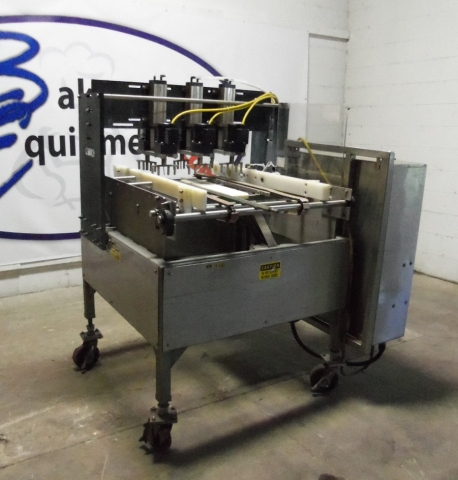
Modern commercial bakeries rely on more than just ovens and mixers. To maintain consistency, increase production capacity, and meet hygiene standards, a wide range of supporting systems is required. Choosing the right food processing equipment for bakeries from a reliable bakery equipment company ensures smooth operations from dough preparation to final packaging. These systems not only enhance productivity but also reduce manual labor, improve product quality, and maintain compliance with food safety regulations.
This guide explores the essential supporting equipment that every commercial bakery should consider, focusing on operational efficiency and scalability.
Importance of Supporting Equipment in Bakery Operations
In large scale bakery environments, production does not stop at baking. Post baking processes such as cooling, slicing, and packaging play a critical role in product quality and shelf life. Supporting equipment helps maintain consistency across batches, minimizes waste, and ensures products reach customers in optimal condition.
Efficient equipment integration also allows bakeries to streamline workflows, reduce downtime, and adapt to varying production demands. For bakery owners and food manufacturers, investing in the right systems is a long term decision that directly impacts profitability.
Bakery Cooling Systems
Cooling is a crucial step in the baking process. Freshly baked products must be cooled properly before further handling to prevent condensation, maintain texture, and avoid microbial growth.
Bakery cooling systems are designed to regulate temperature and airflow, ensuring uniform cooling across products. These systems are especially important for bread, cakes, and pastries that require precise temperature control before slicing or packaging.
There are different types of cooling systems used in commercial bakeries. Spiral cooling systems are ideal for high volume production as they save space and allow continuous processing. Tunnel cooling systems provide consistent airflow for uniform cooling, while rack cooling is more suitable for smaller operations.
Proper cooling systems help maintain product integrity, improve shelf life, and prepare items for downstream processes such as slicing and packaging.
Proofers
Proofing is a vital stage in bread production where dough is allowed to ferment and rise before baking. Proofers provide controlled environments with precise temperature and humidity levels to ensure consistent fermentation.
Modern proofers are equipped with automated controls that allow bakery operators to maintain optimal conditions for different types of dough. This consistency is essential for achieving uniform texture, volume, and flavor in baked goods.
Retarder proofers are widely used in commercial bakeries because they combine refrigeration and proofing functions. This allows bakeries to slow down fermentation and schedule production efficiently.
By using advanced proofers, bakeries can improve product quality, reduce batch inconsistencies, and enhance overall production planning.
Slicers
Slicing equipment is essential for bakeries that produce bread and similar products in large quantities. Manual slicing is time consuming and inconsistent, making automated slicers a critical investment.
Modern bakery slicers are designed to handle different product sizes and textures without damaging the structure of the bread. Adjustable blade settings allow operators to achieve uniform slice thickness, which is important for both presentation and customer satisfaction.
High speed slicers also contribute to increased efficiency by reducing processing time. Safety features such as blade guards and automatic shutoff systems ensure safe operation in busy production environments.
Slicers not only enhance productivity but also help maintain consistency, which is essential for branding and customer trust.
Packaging Machines
Packaging is one of the most important stages in bakery operations. It protects products from contamination, extends shelf life, and enhances visual appeal.
Automated packaging machines are designed to handle a variety of bakery products including bread, cookies, cakes, and pastries. These machines can perform tasks such as wrapping, sealing, labeling, and coding with high precision.
Flow wrapping machines are commonly used for individual products, while vertical form fill seal machines are suitable for items like cookies and snacks. Vacuum packaging is also used for certain products to increase shelf life.
Advanced packaging systems integrate with production lines to ensure seamless operation. They reduce manual handling, improve hygiene, and enhance packaging consistency.
Conveyor Systems
Conveyor systems play a central role in connecting different stages of bakery production. They transport products efficiently from one process to another, reducing manual intervention and improving workflow.
In commercial bakeries, conveyor systems are used for tasks such as transferring dough, moving baked goods to cooling systems, and feeding products into packaging machines.
Different types of conveyors are used depending on the application. Belt conveyors are common for general transport, while modular conveyors offer flexibility for complex layouts. Spiral conveyors are used in combination with cooling systems to save space.
By automating material handling, conveyor systems improve efficiency, reduce labor costs, and minimize the risk of product damage.
Integration and Automation
One of the key trends in modern bakery operations is the integration of equipment into automated production lines. When cooling systems, proofers, slicers, packaging machines, and conveyors work together, they create a seamless production flow.
Automation reduces human error, increases production speed, and ensures consistent product quality. It also enables real time monitoring and data analysis, helping bakery operators make informed decisions.
For growing bakeries, investing in integrated systems allows for scalability and adaptability to changing market demands.
Hygiene and Food Safety Considerations
Maintaining hygiene is essential in bakery operations. Supporting equipment must be designed with food safety in mind, using materials that are easy to clean and resistant to contamination.
Stainless steel construction is commonly used in bakery equipment due to its durability and hygienic properties. Equipment should also comply with food safety standards and regulations.
Regular cleaning and maintenance of equipment are necessary to prevent contamination and ensure consistent performance. Automated cleaning systems can further enhance hygiene and reduce downtime.
Energy Efficiency and Sustainability
Energy consumption is a significant concern in commercial bakeries. Efficient equipment can help reduce operational costs and environmental impact.
Modern bakery equipment is designed with energy saving features such as optimized airflow, insulation, and smart controls. Cooling systems and proofers, in particular, benefit from energy efficient designs.
Sustainable practices such as reducing waste, optimizing resource usage, and using eco friendly packaging solutions are becoming increasingly important in the bakery industry.
Investing in energy efficient equipment not only lowers costs but also aligns with sustainability goals.
Choosing the Right Equipment
Selecting the right food processing equipment for bakeries requires careful consideration of production needs, product types, and budget.
Bakery owners should evaluate factors such as capacity, compatibility with existing systems, ease of maintenance, and supplier reliability. It is also important to consider future growth and scalability.
Working with experienced equipment suppliers and conducting thorough research can help ensure the right investment decisions.
Conclusion
Supporting equipment is essential for the success of commercial bakeries. From cooling systems and proofers to slicers, packaging machines, and conveyor systems, each component plays a vital role in ensuring efficient and consistent production.
Investing in high quality food processing equipment for bakeries helps improve product quality, streamline operations, and enhance profitability. As the bakery industry continues to evolve, adopting advanced and integrated equipment solutions will be key to staying competitive. Contact us today to explore the right equipment solutions for your bakery needs and take your operations to the next level.
FAQs
1. What is the most important supporting equipment in a bakery
Cooling systems and proofers are among the most critical as they directly impact product quality and consistency.
2. Why are conveyor systems used in bakeries
Conveyor systems automate product movement between processes, improving efficiency and reducing manual labor.
3. How do packaging machines benefit bakeries
They enhance product protection, extend shelf life, and ensure consistent and professional packaging.
4. What factors should be considered when choosing bakery equipment
Capacity, compatibility, energy efficiency, maintenance requirements, and scalability are key factors to evaluate.
5. Are automated systems necessary for small bakeries
While not mandatory, automation can significantly improve efficiency and consistency even in small scale operations.